
Uncategorized
Outdoor Table Bases Explained: Which One Is Right for Your Space?
Dec
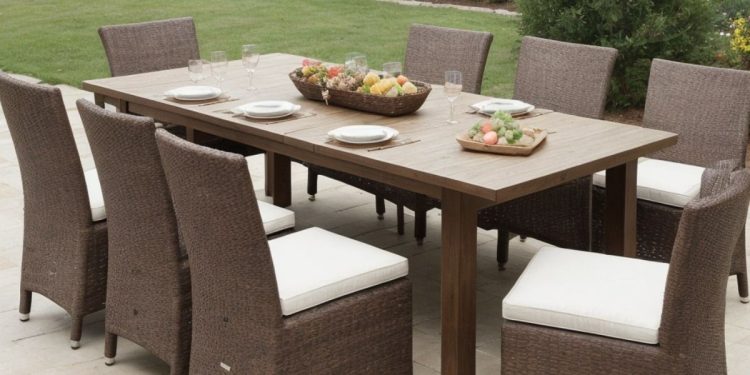
Outdoor table bases do not get much attention, but they do most of the hard work. If the tabletop is the hero, the base is the one quietly holding everything together, day after day, through wind, rain, spilled drinks, and heavy platters.
What Is an Outdoor Table Base?
A table base is the structure that supports your tabletop. It is the frame or column and feet that sit on the ground and keep the table upright and stable. For outdoor furniture, the base has to deal with extra pressure, from weather exposure to uneven pavers and kids leaning on one edge.
Whether you are choosing a compact patio table base for a balcony, a family dining table for the backyard, or multiple table bases for a café terrace, you are really choosing how solid, safe, and comfortable that space will feel.
Why the Table Base Matters So Much
1. Stability and safety
A quality outdoor table base prevents wobbling, rocking, and tipping. That matters when you have glassware, hot food, laptops, or kids climbing around. A stable base spreads the weight properly, handles people resting on one side, and stays put in gusty conditions that are common across many Australian regions.
2. Durability and weather performance
Outdoor bases do not live an easy life. Sun, coastal air, rain, and heat all attack weaker materials. The right base material and construction can handle exposure without rusting, warping, or breaking down. That means fewer replacements and less waste, which suits both your budget and anyone who cares about sustainability.
3. Comfort and usability
The base shape affects how people sit and move around the table. A poorly chosen base can block legroom, clash with your chairs, or make it awkward to get in and out. A well matched base gives you clear leg space, comfortable seating positions, and the right height for dining, drinks, or lounging.
4. Aesthetics and atmosphere
The base sets the tone of the table. Sleek pedestal bases suit modern coastal decks, while more structured bases can feel right in a classic garden or rustic entertaining area. In a commercial space, the right base style helps tie your outdoor setting together so it matches the rest of your brand and interior fit out.
How Bases Shape Different Outdoor Spaces
In a backyard or pool area, a heavier, more grounded base helps the table stay put during storms and busy gatherings. On balconies and compact patios, you might prioritise a smaller footprint and smarter leg layout so you can move around easily in a tight space. Hospitality venues usually lean on heavy duty outdoor table bases that can handle constant use, regular cleaning, and fast reconfiguration for different group sizes.
The bottom line Your outdoor table base is not a small detail. It decides how your patio table base feels to use, how long it lasts in Australian weather, and how confident you feel when you sit guests down for a long lunch outside.
Types of Outdoor Table Bases and Their Features
Not all table bases are built for the same job. Once you understand the main types, it gets much easier to match the right base to your patio, balcony, garden, or commercial area.
Pedestal Bases
A pedestal base has a central column with a weighted footplate. It keeps the footprint compact, which is ideal when you want clear legroom or need to squeeze more chairs around a smaller patio table base.
- Best for compact balconies, bar tables, café settings, small to medium round or square tops
- Materials commonly cast iron, aluminium, stainless steel, or recycled composite columns
- Pros good legroom, clean look, easy to sweep and hose around
- Watch for enough weight in windy spots, and corrosion resistance in coastal areas
Cross Bases
Cross bases use a central column with a cross shaped foot. They spread weight well while keeping corners open for chairs. Many commercial table bases use this style because it stacks closer and moves easily.
- Best for hospitality terraces, flexible dining layouts, stackable tables
- Materials cast iron for weight, aluminium for lighter and more portable setups
- Pros stable, efficient footprint, easier to carry or reconfigure
- Watch for toe clearance and edge thickness on pavers or decking boards
Four Legged Bases
Four separate legs feel familiar, like a standard indoor dining table. Outside, they suit larger family settings and relaxed entertaining areas where you want a more furniture like presence.
- Best for family backyards, larger dining tables, rustic or coastal looks
- Materials aluminium, stainless steel, or recycled composite frames
- Pros very stable footprint, more traditional style options, good for long rectangular tops
- Watch for chair access at the corners and enough clearance for armchairs
Adjustable Bases
Adjustable bases let you tweak height or level the table on wonky outdoor surfaces. Some have adjustable feet, others offer full height variation so the same base can sit at lounge, dining, or bar height.
- Best for uneven pavers, sloping decks, multi use family or commercial spaces
- Materials often aluminium or stainless steel for lighter, smoother adjustment
- Pros solves wobble on tricky surfaces, flexible for different seating types
- Watch for mechanisms that can seize if not cleaned and protected from grit
Heavy Duty Commercial Bases
Heavy duty bases are built for high traffic and tough weather. Weight, robustness, and low maintenance matter more than portability here.
- Best for busy cafés, pool areas, hotel courtyards, wind exposed locations
- Materials cast iron, heavy gauge stainless steel, or dense recycled composites
- Pros maximum stability, long service life, less risk of tables shifting during service
- Watch for enough corrosion protection in coastal or poolside environments
Key takeaway Match the base type to how your outdoor space actually works. Think about weather, how often you move your tables, and how many people you need to seat comfortably around each setting. If you are planning a full outdoor dining area, it is worth looking at complete weather resistant outdoor furniture ranges so your table bases, tops, and chairs all work together.
Choosing the Right Outdoor Table Base for Your Space and Needs
Picking a tabletop is easy. Choosing the table base that actually suits your space and how you live is where things get serious. Here is how to narrow it down so your outdoor table feels solid, comfortable, and fits your layout properly.
1. Match the base to your tabletop
Size A larger or heavier top needs a heavier, wider base. As a simple rule, the bigger the top, the broader the footprint and the heavier the table base should be.
Shape
- Round tops often pair best with pedestal or cross bases so chairs can tuck in anywhere.
- Square tops work well with pedestal or compact four legged bases for tight patios and balconies.
- Rectangular tops usually need twin pedestal bases or a solid four legged frame so the centre does not flex.
2. Measure your outdoor space properly
Before you fall in love with a design, measure the area and think about movement around the table.
- Leave clear space around the table for chairs to slide back comfortably.
- On balconies and small courtyards, prioritise bases with a compact footprint such as pedestal or cross bases.
- In large backyards or pool areas, heavier four legged or twin column bases feel more anchored and permanent.
3. Consider weather, wind, and mobility
Wind exposure If your patio is open or coastal, choose a heavier base or a heavy duty commercial style. Lightweight bases suit sheltered courtyards, covered decks, or areas that are packed away often.
Mobility If you regularly move tables for parties, events, or cleaning, look at aluminium or lighter pedestal and cross bases. For hospitality, that usually means a mix of portable bases for flexible layouts and some heavier units in fixed positions.
4. Stability, comfort, and existing décor
Stability Check the contact points with the ground. Adjustable feet are worth it on pavers, tiles, or older decks. For active families or busy venues, avoid narrow or top heavy designs and stay with wide, grounded bases.
Comfort Make sure the base does not clash with chair legs or block where people want to put their feet. Bar settings, tub chairs, and armchairs all need different clearances. If you are planning a full outdoor dining area, it can help to look at complete outdoor dining settings so chairs and bases work together from the start.
Design harmony For modern, minimal spaces, clean pedestal or cross bases in neutral finishes blend easily. For coastal or relaxed family areas, chunkier four legged frames suit textured tops. Commercial venues should match the table base style with their brand, flooring, and existing outdoor furniture.
Residential vs commercial choices
- Residential Focus on comfort, looks, and how often you move the table. One solid, good quality patio table base is often better than a cheap set you replace often.
- Commercial Prioritise stability, uniform sizing, and easy cleaning. Look for heavy duty, stack friendly bases that handle constant use and work with different tabletops and chair styles.
Material Considerations: Durability, Sustainability, and Maintenance
When you are choosing a patio table base in Australia, the material is what decides whether it still looks good in a few seasons or ends up wobbly and rusty in the corner. Sun, salt air, rain, and heat all hit hard here, so you want a base that can take a beating without constant babysitting.
Best Materials for Australian Conditions
Cast iron
Heavy and very stable, which helps in exposed or windy spots. It suits hospitality and larger dining settings. To keep it performing outdoors, it needs strong protective coatings and you should avoid leaving it in standing water to reduce rust risk.
Aluminium
Lightweight, corrosion resistant, and easy to move, which is ideal for balconies, flexible dining layouts, and venues that reset spaces often. Look for powder coated finishes for extra scratch resistance and a smoother, low maintenance surface.
Stainless steel
Tough, clean looking, and suitable for coastal areas and pool zones where cheaper metals can break down fast. Not all stainless grades behave the same, so for harsh locations it is worth prioritising higher corrosion resistance rather than just the look of “shiny metal”.
Recycled composites
These materials suit eco conscious buyers who still want serious durability. Composite table bases can be dense and stable, with built in UV resistance. They work well with modern and family friendly outdoor furniture, similar to many of the pieces you see in quality outdoor furniture ranges.
Sustainability Factors To Look For
- Recycled content such as composite bases made from reclaimed plastics or metals.
- Longevity a table base that you use for years is far better for the environment than one you replace often.
- Repairable finishes so small chips or scratches can be touched up instead of scrapping the whole base.
Simple Maintenance Habits That Extend Lifespan
You do not need complicated routines to keep a table base in shape, just a few consistent habits.
- Rinse off salt, dust, and bird mess with fresh water, especially in coastal or pool areas.
- Use mild soapy water and a soft cloth for general cleaning, avoid harsh abrasives that cut through protective coatings.
- Check feet and glides, replace worn ones so the base stays stable and does not scrape your decking or tiles.
- If you store furniture in the off season, keep bases dry and ventilated rather than sealed in damp covers.
Choose the right material at the start, then back it up with light, regular care. Your outdoor table bases will stay solid, look sharp, and keep your outdoor area ready for anything from quiet coffees to big family gatherings.
Styling and Customisation Options for Outdoor Table Bases
A good outdoor table base should work hard, but it should also look like it belongs in your space. The right style, colour, and finish can make your patio table base feel custom built for your home, balcony, or venue, not like an afterthought under a nice top.
Choosing Colours That Suit Your Space
Colour is the fastest way to align your table base with your outdoor style.
- Neutral tones such as white, charcoal, and black suit contemporary, coastal, and minimalist spaces. They sit quietly and let your tabletop and chairs do the talking.
- Warm earthy colours such as clay, taupe, and soft browns work well for rustic, resort style, or garden settings.
- Bold accents suit playful family areas or commercial spaces that want a recognisable look. Use colour on bar height table bases, side tables, or smaller café settings so it feels intentional, not loud.
If you already have a strong outdoor setting, for example a larger dining set like the ones in many family focused outdoor dining layouts, keep the base colour in the same family so everything feels cohesive.
Finishes That Change the Feel Completely
The finish affects both style and maintenance.
- Matte and satin powder coat gives a modern, understated look and hides fingerprints and minor dust better than gloss.
- Textured or grain finishes can mimic timber or stone for a more organic, rustic or coastal feel without the upkeep of real wood.
- Brushed or polished metal suits luxury, urban, or hospitality spaces that lean into a sleek aesthetic. These pair nicely with glass or slim porcelain tops.
Good rule of thumb match lower sheen finishes with relaxed family zones, and smoother, cleaner finishes with sophisticated entertaining areas.
Design Styles for Different Themes
- Sophisticated and modern Choose slim pedestal or cross bases with clean lines, consistent colour, and minimal detailing. Great with slim profile chairs or modular lounges similar to the pieces in many modular outdoor setups.
- Contemporary coastal Look for soft curves, lighter colours, and bases that visually “lift” the tabletop rather than grounding it heavily. White or sand finishes with rounded feet work well here.
- Rustic and relaxed Chunkier four legged bases or twin column frames in darker or textured finishes pair well with timber, composite, or stone look tops. Think weighty, solid, and casual.
Customisation Ideas That Actually Matter
You do not need a fully bespoke table base to get a tailored result. Focus on customisation where you will notice it every day.
- Select a base design that echoes shapes already in your space, for example curved chair backs or linear balustrades.
- Keep all visible metalwork in similar colours or finishes so railings, lounges, and table bases feel like one considered scheme.
- For commercial areas, standardise one base style across different top sizes so your outdoor area looks consistent from every angle.
When you treat the table base as part of the overall design, not just support hardware, your outdoor space feels more resolved, more intentional, and a lot closer to the luxury settings you have been saving for inspiration.
Installation and Practical Tips for Using Outdoor Table Bases
Good outdoor furniture starts with a solid install. If your table base is not fitted, leveled, and positioned properly, you will fight wobbles and shifting every time someone leans on it. Here is how to set things up so your patio table base feels rock solid in daily use.
Step by Step: Setting Up Your Table Base
- Assemble on a flat surface
Put the base together on a flat section of paving or indoors. Tighten all fixings firmly, but do not overtighten soft metals. - Align the base and tabletop
Centre the base under the top using the pre marked fixing points. For rectangular tops, double check that the base is square with the long edge so chairs line up neatly. - Use appropriate fixings
Use the hardware supplied with the base. If you are pairing the base with a different top, match screw length to top thickness so you do not punch through the surface. - Test for twist and wobble
Once assembled, press down on each edge of the table. If it rocks, adjust the feet before you move on.
Dealing With Uneven Decks, Pavers, and Concrete
Most Australian outdoor areas are not perfectly level. Adjustable feet are your best friend here.
- On older decks or rough concrete, choose bases with adjustable glides. Wind them up or down until the table sits stable.
- On loose pavers or gravel, use wide foot plates or pavers under each foot so the load spreads and does not sink.
- For sloping areas, a heavier base with adjustable feet gives better stability than a lightweight option.
Portability vs Stability
Families, renovators, and venues often need to move tables for events or cleaning, but you still want a safe setup.
- If you move tables often, pick lighter aluminium pedestal or cross bases, then position them in more sheltered spots.
- For high wind or pool zones, use heavier commercial style bases. Shift layout less often, but enjoy a safer, more grounded feel.
- In busy family backyards, it can help to combine a fixed main dining setting with lighter side or coffee tables. You will see this approach in many complete outdoor dining and lounge setups.
Keeping Tables Stable in Active Use and Wild Weather
- Seat active users smartly Put kids or more active guests near table sections supported directly by the base, not hanging corners.
- Allow clear circulation Leave space so people are not constantly bumping the base when they walk through.
- Prepare for storms In exposed areas, move lighter tables against a wall or balustrade. Stack or lay very light tops flat so they do not catch the wind.
- Check fasteners regularly For commercial spaces or very active family zones, add a quick bolt and foot check to your monthly outdoor clean. It takes minutes and keeps your setting feeling new.
Set your table base up properly once, and it will quietly do its job for years, whether that is long family lunches, busy café service, or relaxed poolside afternoons.
Where to Explore and Purchase Quality Outdoor Table Bases in Australia
You know what type of table base you need, now the question is where to buy one that actually lives up to the promise. The good news is that in Australia you have solid options, whether you are fitting out a family patio or a full commercial terrace.
Main Categories You Will See When Shopping
When you start browsing, most suppliers group outdoor table bases into a few clear categories. Understanding these helps you filter fast.
- Residential table bases for patios, gardens, and balconies. These focus on good looks, comfort, and manageable weight so you can move them when you need to.
- Commercial and hospitality bases heavier, stack friendly, designed to handle constant use, cleaning, and layout changes.
- Bar and counter height bases taller frames for bar stools and leaner style settings.
- Heavy duty weather resistant bases for exposed, coastal, or poolside locations where wind and moisture are constant.
Many complete outdoor settings, such as the flexible dining layouts in products like the larger outdoor dining ranges, can also guide you. Even if you are buying the base and top separately, it helps to see what reputable brands pair together.
Common Product Variations To Compare
As you compare different table bases, look at the practical variations, not just the photos.
- Height options dining, lounge, and bar height.
- Foot style pedestal plates, cross feet, four legs, or twin columns.
- Material choices cast iron, aluminium, stainless steel, or recycled composite.
- Coatings and finishes powder coat colours, brushed metal, textured surfaces.
- Outdoor rating general outdoor, shaded outdoor, or commercial grade.
How To Choose a Supplier That Matches Your Values
If you want a patio table base that lasts in 2025 and beyond, do not just filter by price. Use this checklist before you buy, whether you are shopping online or in store.
- Quality focus Clear information on materials, coatings, and suitable environments.
- Warranty Look for transparent warranty terms that reflect real confidence in the product.
- Sustainability Preference for durable, recyclable, or recycled materials, and designs that avoid throwaway trends.
- Design alignment Base styles that actually pair well with modern outdoor furniture, like the settings in this guide to choosing outdoor furniture for families.
- Residential and commercial expertise If you run a venue, prioritise suppliers who clearly state commercial suitability instead of treating it as an afterthought.
Take a moment to match the table base category and product variation to how your space works in real life. When you do that, you end up with a table that feels right every time you sit down, not just something that looked good in a product photo.
