
Uncategorized
How Each Outdoor Dining Table Material Performs In Australian Conditions
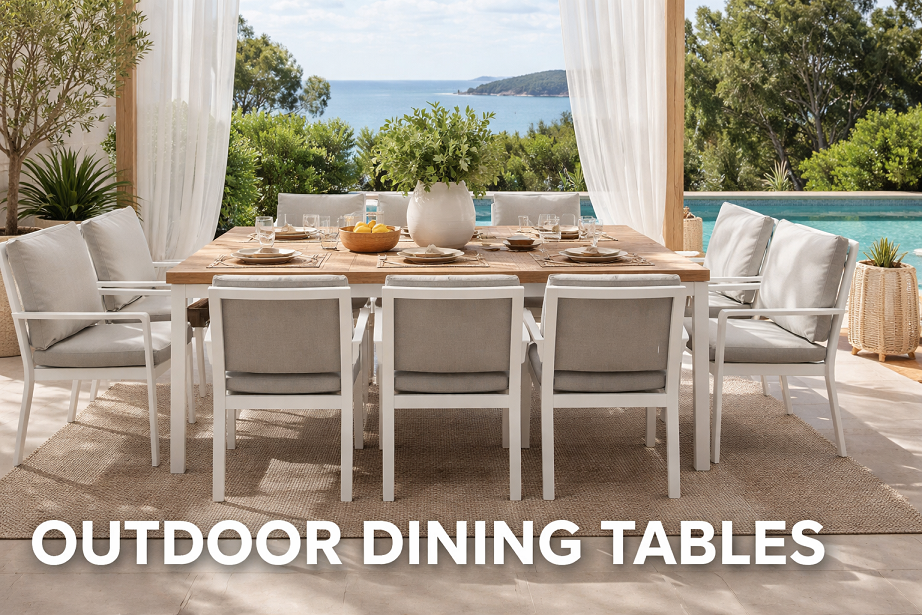
Hardwoods
Hardwoods such as eucalyptus or acacia feel warm and solid under hand. Grain patterns, natural knots, and a slightly textured surface give a relaxed, organic look that suits most Australian homes.
Benefits: When sealed correctly, hardwood offers strong durability and good resistance to sun and moderate rain. It ages with character, so small marks tend to blend in rather than stand out. Comfort is high because timber does not feel icy in winter or scorching in summer.
Drawbacks: You need regular cleaning and periodic oiling or sealing. In exposed coastal or high UV areas, unmaintained hardwood can dry, crack, or silver faster than many people like.
Best for: Homeowners, renovators, and family entertaining areas that get some cover. Ideal if you want a natural feel and are happy with a simple care routine.
Teak
Teak is a premium hardwood with a dense, oily feel and a smooth but grippy surface. In outdoor settings it starts golden then naturally softens to a silver grey if you leave it untreated.
Benefits: Teak is one of the most durable outdoor dining table materials you can buy. The natural oils help it handle UV, rain, and coastal air with minimal fuss. It is comfortable to sit at in almost any temperature.
Drawbacks: Higher upfront cost and, if you prefer the golden colour, you will need occasional oiling to hold that tone.
Best for: Luxury focused buyers, coastal homes, and upmarket venues that want a long life span and a relaxed, resort level finish. If you are comparing large format teak settings, it pairs well with the layouts covered in guides such as the 10 seater dining buyer guide.
Aluminium
Aluminium frames feel light but rigid, with smooth or slightly textured powder coat finishes. Many designs use slim profiles that keep the setting looking open and modern.
Benefits: Aluminium does not rust, which makes it a reliable choice across most Australian climates. It is one of the best outdoor table material options for low maintenance, since it usually needs nothing more than a wash. It is easy to move for cleaning or reconfiguring your layout.
Drawbacks: In very exposed areas, very thin sections can feel less solid. Dark colours can heat up in direct sun, although far less than bare metal.
Best for: Balconies, busy families, and commercial patios that need durable outdoor furniture materials with minimal upkeep.
Powder Coated Steel
Powder coated steel has a heavier, more planted feel than aluminium. The coating can be smooth, textured, or matte, which suits structured, architectural styles.
Benefits: Strong, stable, and great for larger table sizes or where you want a bold, grounded look. When the coating stays intact, it handles sun and rain well and wipes clean easily.
Drawbacks: If chips or scratches expose raw steel, rust can start, especially in coastal zones. That means you need quick touch ups on damaged areas.
Best for: Hospitality fit outs, shaded patios, and design led homes that want sharp lines and a solid feel, but are not right on the beachfront.
Synthetic Rattan And Wicker
Synthetic rattan or wicker uses woven resin strands over a metal or resin frame. The texture softens hard surfaces and visually warms up tiled or concrete areas.
Benefits: When UV stabilised, it copes well with sun and light rain. It feels inviting, especially once paired with cushions, and fits casual, resort inspired spaces. Cleaning usually involves a quick hose or wipe.
Drawbacks: Cheaper versions can fade or crack quicker and may sag under heavy use. Cushions need more care than the frame.
Best for: Family decks, poolside dining, casual cafes, and buyers who want comfort and a relaxed look without heavy maintenance. If you lean toward full woven settings, the ranges in Outdoorly style guides such as the pieces used in larger resin dining sets can be a good reference point.
Recycled Plastic And Resin
Recycled plastic and resin tables feel smooth and often slightly matte, with consistent colour through the material. Many are moulded with subtle grain or slat details.
Benefits: Very low maintenance, no sealing, no rust, and strong resistance to UV and rain. This is one of the most practical outdoor dining table materials for coastal areas and high traffic commercial spaces. Eco conscious buyers like options made from post consumer or industrial recyclate that are themselves recyclable.
Drawbacks: Cheaper versions can look flat or overly glossy. Very lightweight designs may move in strong wind if not well proportioned.
Best for: Eco focused households, busy families, and venues that need easy care tables that still look clean and modern.
Concrete And Fibre Cement
Concrete and fibre cement tops have a solid, cool touch and a distinct, architectural presence. Finishes range from smooth to lightly textured with soft tonal variation.
Benefits: Extremely sturdy and stable, with excellent heat and UV resistance. A concrete table instantly becomes the focal point of a space and pairs well with slimline chairs.
Drawbacks: Weight makes them harder to move and deliver. Unsealed surfaces can stain from red wine, oils, or leaf tannins, so sealing and basic care matter.
Best for: Design driven homes, luxury terraces, destination venues, and anyone who wants a bold centrepiece that feels permanent.
Glass With Metal Frames
Glass tops, usually paired with aluminium or steel frames, create a light, reflective surface that visually opens smaller areas. The touch is smooth and cool.
Benefits: Easy to wipe clean and resistant to general weather wear when used with quality frames. The transparent or tinted surface keeps compact courtyards and balconies feeling airy.
Drawbacks: Fingerprints, dust, and water spots show up quickly, especially in bright sun. You need sensible use around kids and in high traffic commercial zones.
Best for: Balconies, compact outdoor areas, and hospitality terraces that want a light, modern look without visual bulk. If you are planning a mix of glass tables and other furniture types, it can help to cross check frame styles with guides on outdoor table bases so the whole setting feels cohesive.
Maintenance Tips For Outdoor Dining Tables In Australian Conditions
Simple Cleaning Routines That Actually Work
You do not need harsh chemicals or complicated kits to keep the best outdoor table material in good shape. A consistent, light touch works better.
- General rule for all materials: Use a soft brush or cloth, mild pH neutral detergent, and a bucket of warm water. Rinse with clean water and let it air dry.
- Hardwood and teak: Brush off grit first so you do not scratch the grain. Clean along the grain, not across it. Avoid pressure cleaners on high settings, they can strip fibres.
- Aluminium and powder coated steel: Wipe or hose off dust and salt. Avoid abrasive pads that can dull the coating or expose bare metal at edges.
- Synthetic rattan and recycled plastic: Use a soft brush to get into the weave or moulded joints. A hose on gentle setting is usually enough.
- Concrete and glass: Use a soft cloth or sponge. For glass, a simple vinegar and water mix reduces streaks. For concrete, skip anything acidic unless the sealer is rated to handle it.
For busy homes and venues, set a simple rhythm, for example, [insert frequency] quick clean and a deeper clean [insert frequency], so build up never gets started.
Protective Treatments By Material
The right treatment extends life and keeps maintenance light.
- Hardwood: Use outdoor timber oil or sealer [insert frequency] based on exposure. In harsh coastal or high UV spots, lean toward more frequent rounds. Choose low VOC, plant based products where possible.
- Teak: If you like the grey patina, clean only. If you want to hold the honey tone, use a teak specific oil or sealer. Always test on a small area first.
- Aluminium and coated steel: Inspect for chips or scratches [insert frequency]. Touch up exposed spots with compatible outdoor paint to stop corrosion creeping in.
- Concrete: Apply a breathable penetrating sealer to help prevent stains from red wine, oils, and leaf tannins. Reapply based on the product guidance and exposure level.
- Recycled plastic, resin, synthetic rattan, and glass: Usually no sealing required. A UV safe protectant spray can help surfaces stay fresh in very exposed settings.
Seasonal Care For Australian Climates
Australian weather swings hard, so it pays to tweak your routine across the year.
- Before peak summer: Deep clean, refresh oils or sealers, check feet glides and fasteners, and add or adjust umbrellas or shade where needed. High UV regions benefit from extra shade planning, which you can align with layout guides such as the ideas in weather resistant furniture guides for Australian homes.
- Before the wet or stormy season: Make sure drainage around the table is clear so water does not pool under bases, especially on concrete or steel frames. Tighten bolts and check stability for windy days.
- Cooler months: This is the time to do any light sanding on timber, deeper degreasing of concrete, or touch ups on coatings when the table is used less.
Smart Storage And Cover Strategies
Good storage decisions can double the life of outdoor dining table materials without much effort.
- Use breathable covers, not plastic tarps that trap moisture. Look for fitted designs that still allow airflow at the base.
- Raise legs off constantly damp surfaces where possible, especially timber or coated steel on grass or soil.
- For balconies and compact spaces, choose lighter tables such as aluminium or recycled plastic that you can shift under partial cover in bad weather. Many of the compact sets in Outdoorly collections, like the pieces in small format outdoor dining settings, are designed with this kind of flexible movement in mind.
- Commercial venues should set a simple close down checklist, for example, wipe tables, clear standing water, straighten covers, and check high wear corners [insert frequency]. It saves early morning rescues and premature replacements.
If you keep cleaning gentle, treatments targeted, and storage breathable, your table material can handle serious Australian weather with far less effort than most people expect.
Recommended Outdoorly Dining Settings For Australian Conditions
By now you know what the best outdoor table material looks like on paper. Outdoorly’s ranges take those same materials and pair them with layouts that actually work for Australian homes, venues, and shared pool or garden spaces.
Low Maintenance Resin And Recycled Plastic Dining Sets
If you want durable outdoor furniture materials with almost no upkeep, Outdoorly leans heavily on high quality resin and recycled plastic. These tables and chairs are UV safe, will not rust, and suit harsh coastal or high use zones.
- For families and busy homes: Settings such as the resin 9 piece Vegas dining set and the 7 piece Vegas resin setting give you sturdy, easy clean surfaces. They suit patios where food, sunscreen, and kids’ projects all share the same table.
- For hospitality and commercial spaces: Many of these resin settings are rated for commercial use and stack for storage. Frames and tabletops handle frequent cleaning and high turnover without constant touch ups.
- For eco conscious buyers: Long life, fully weatherable plastics reduce replacement cycles. When you pair that with simple care routines, you keep both waste and upkeep effort low.
Resin Rattan For Softer, Resort Style Dining
Where you want the best outdoor table material for comfort and a relaxed feel, Outdoorly uses UV stabilised resin rattan on both frames and chairs. The woven look softens hard surfaces, which is ideal around pools, on pavers, or large decks.
- Homeowners and renovators: Mid sized dining packages such as the 6 seater rattan dining set with Vegas table balance comfort, footprint, and visual warmth for everyday family use.
- Luxury seekers and entertainers: Larger rattan focused arrangements combine armchairs, tub chairs, and generous tabletops, so long lunches feel like a private resort rather than a basic patio.
- Commercial operators: UV safe resin rattan will not unravel like natural fibres, which matters when you need consistent presentation after constant use.
Flexible Sizes For Every Outdoor Lifestyle
Material is only half the story. Outdoorly builds on those durable outdoor furniture materials with layouts that fit how you actually live.
- Compact balcony and courtyard sets use lighter resin tables and stackable chairs so you can move things solo and reconfigure quickly.
- Family and large format dining is covered with extendable tabletops and [insert seat count] layouts that you can cross check against planning guides such as the large family focused tips in this Australian weather furniture guide.
- Poolside and active outdoor zones pair side tables and loungers with matching dining or bar settings, so the material story stays consistent across the whole space.
Across the range, you see the same themes repeat, UV stable materials, corrosion resistant frames, smart drainage, and practical warranties that back up long term use in real Australian conditions, not just showroom lighting.
FAQs About The Best Outdoor Table Material In Australia
What is the best outdoor table material for harsh Australian weather?
If your space cops strong sun, heavy rain, or coastal air, look for teak, quality aluminium, concrete or high grade recycled plastic. These outdoor dining table materials handle UV, moisture, and temperature swings with less fuss than softer timbers or cheap steel. In coastal zones, focus on non rusting frames, UV stable finishes, and tabletops that do not swell or peel.
What are the most eco friendly outdoor dining table materials?
For eco conscious buyers, focus on responsibly sourced hardwoods, certified teak, and recycled or recyclable plastics and metals. A practical rule is to choose materials with a long service life, low maintenance needs, and a realistic recycling path at end of life. Outdoorly’s resin and recycled plastic ranges follow this idea, with UV safe, long life builds that reduce replacement cycles. You can see how that looks in practice in sets such as the resin rattan dining collections.
How often do I need to maintain my outdoor dining table?
Think in simple rhythms, not constant chores.
- All materials: Quick clean [insert frequency] with mild detergent and water.
- Hardwood and teak: Deeper clean and re oil or seal [insert frequency], adjusted for how exposed the table is.
- Concrete: Reseal [insert frequency] or as the product specifies, especially if you host a lot of food and drinks.
- Metals, resin, recycled plastic, glass: Mostly cleaning only. Do a visual check [insert frequency] for chips, rust spots, or dull patches.
Which material is best if I have young kids or a very busy household?
If you are dealing with spills, craft projects, and constant use, favour recycled plastic, resin, aluminium or UV safe synthetic rattan. These durable outdoor furniture materials wipe clean quickly, do not need careful coasters, and will not punish you if the table gets dragged across the patio. For larger families, it can help to combine durable materials with smart layouts, similar to the planning ideas in Outdoorly’s guides for family focused outdoor furniture.
What should I budget for a quality outdoor dining table?
Costs move around based on material, size, and build quality. As a guide, expect:
- Recycled plastic and resin: From entry to mid range, good value for long service life.
- Aluminium and coated steel: Typically mid range, with heavier sections and premium finishes toward the top.
- Hardwood, teak, concrete: Sit higher, especially in bigger sizes or more detailed designs.
Instead of locking to a number, decide your non negotiables, such as seat count, lifespan, and maintenance effort, then compare materials that meet those requirements in the pricing band you are comfortable with.
Can I customise size, colour, or configuration?
In most outdoor ranges you have options through:
- Different table lengths and widths, including extendable designs.
- Multiple colourways for frames, tabletops, and chairs.
- Modular layouts where you can add side tables, loungers, or extra chairs in the same material family.
If custom sizing is important, look for collections that repeat the same material and finish across several formats. That way your dining table, lounge zone, and bar setting all share the same durable outdoor furniture materials and the space feels cohesive instead of pieced together.
